Process and Procedure


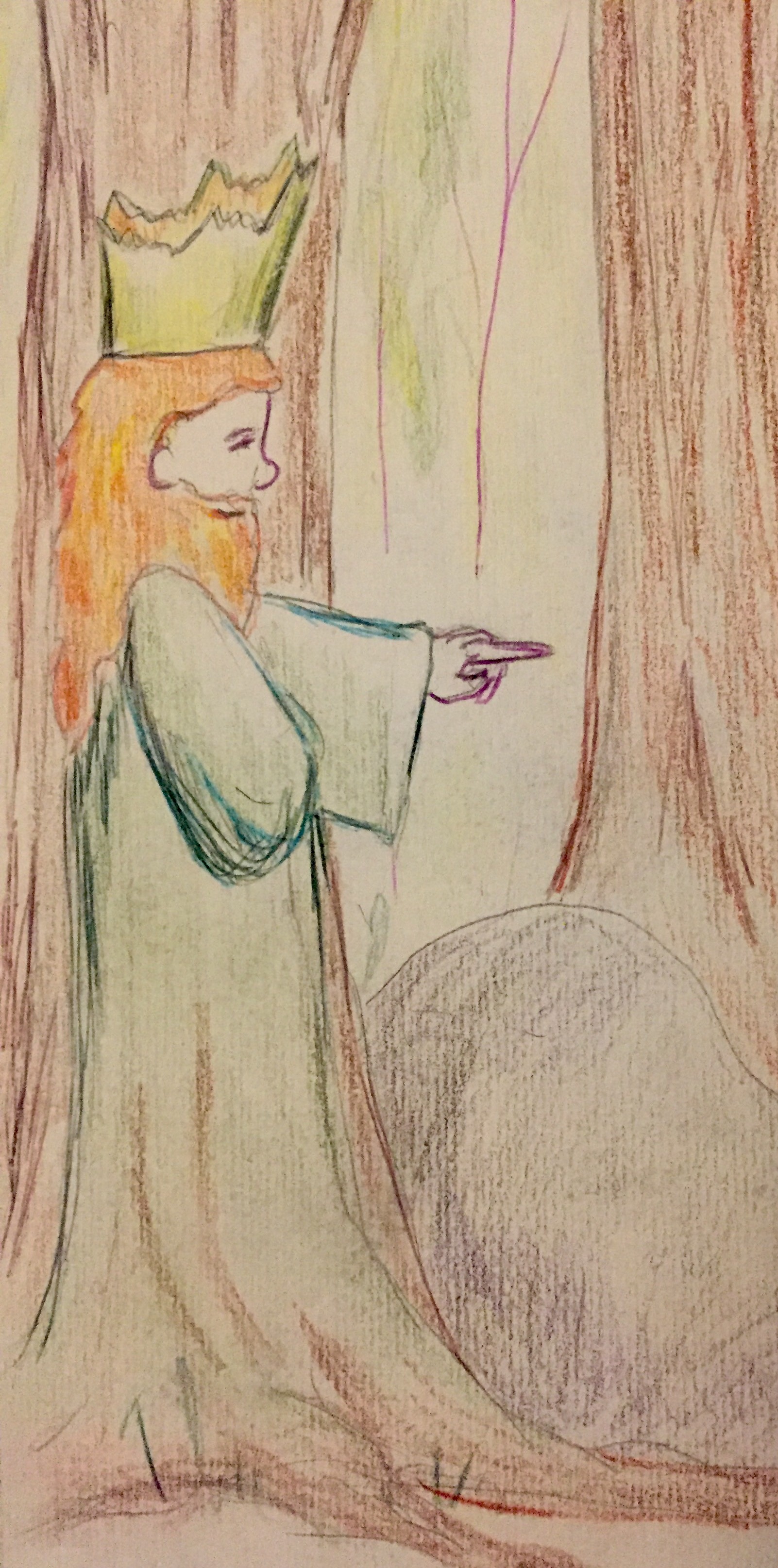
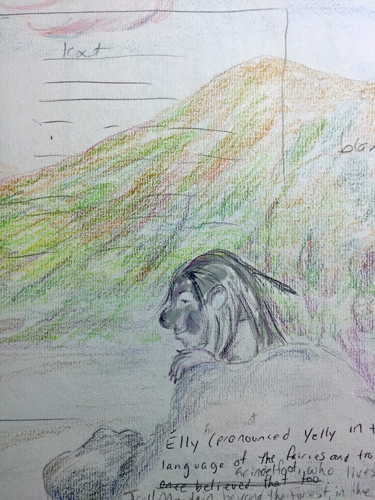
“Dweezil’s Big To-Do” is the working title of a kids book that started as a way to learn the procedure of storyboarding and laying out a children’s book.  As it happened, it was also a way to document the processes by which Thing2 manages to avoid ever truly cleaning his room.   

I’m planning on offering signed copies of the book using grey ink to match my hair.

Rules to be Broken


One of the great things about DIY publishing is that you get to break rules when you feel like they need to be broken.

One of the rules in traditional publishing it’s the children’s picture books should be 32 pages. There are a few exceptions, but not many. The irony is that those exceptions often tend to be exceptional.

As I’m perusing books pilfered from Thing2’s bookshelf, some of the most dogeared titles — The Giving Tree, Where The Wild Things Are — break rules with regard to page length. 

As I dig deeper, I also notice that the books that still stand out for us are those that may not have perfect “story book” endings but are somehow still satisfying. They may hint at a darker side of life but enlighten their readers. 

They do something truly exceptional. They trust children.

As I’m whittling words and laying out spreads, I’m keeping in mind that there is at least one rule I don’t want to break – and that’s to trust kids.

Save

Save

Something for Nothing

I had paid my booth fee for the summer so it was free to setup my tent with my notecards at the summer market yesterday.

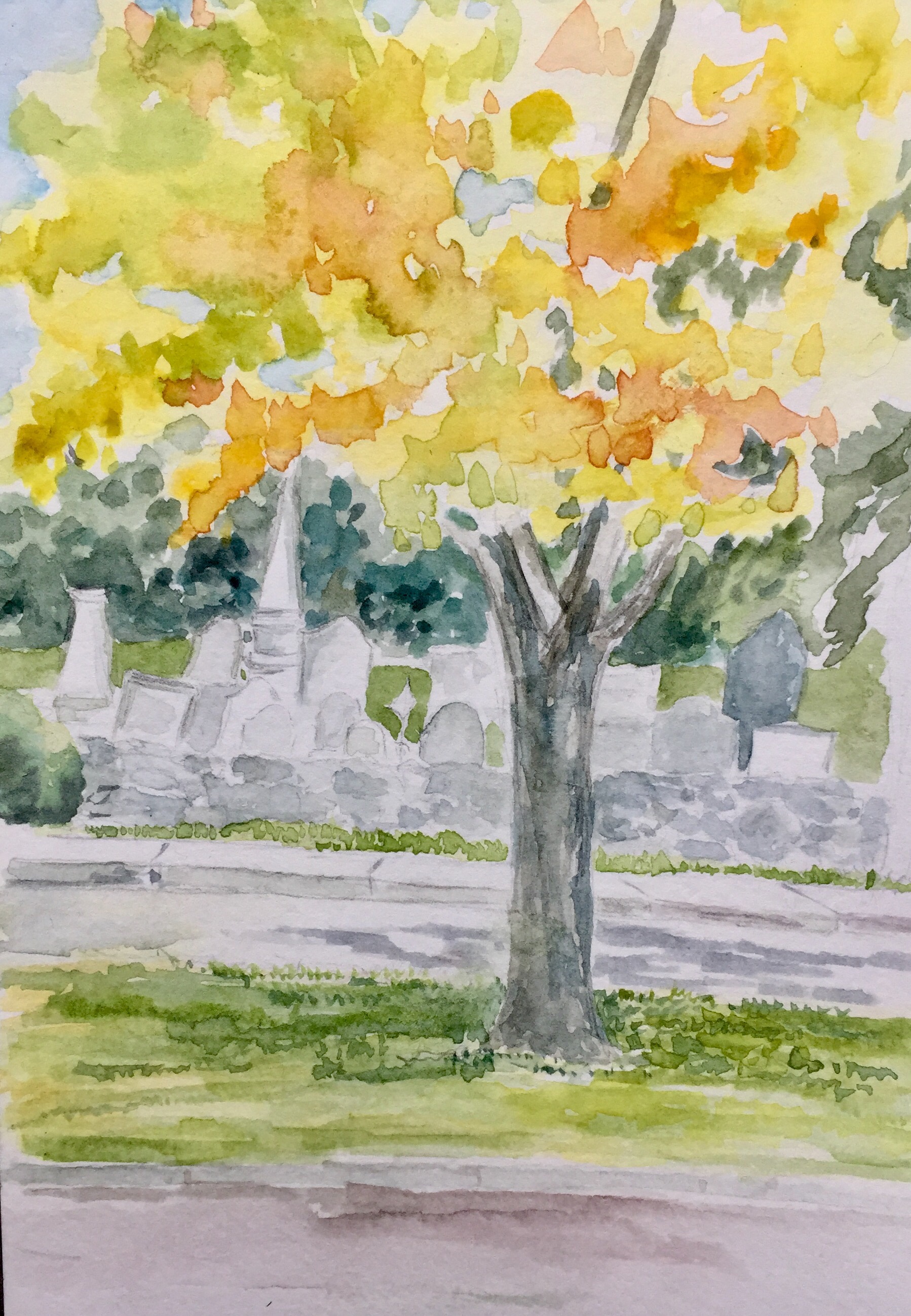
There were a few bigger events in the area so our corner of Vermont was quiet for this stage of the summer tourist season. It wasn’t the most profitable morning, but as I sat across the street from the Episcopal church in Arlington, I was sure I could see the leaves of the maple tree in front of the churchyard cemetery changing color.

It marked the first official day of autumn for me — an unexpected and pleasant little bit of something that cost absolutely nothing.

Charting the Course

TrollsPage


One of the fun things about self publishing a children’s book is that in addition to the many hats you get to wear (I love hats) as writer, illustrator, layout girl, and official chocolate tester, you learn a lot about the rules that govern the creation of many books your own kids read.

Did you know, for example, the standard length for children’s books is 32 pages? The standard was established by Beatrix Potter and her publisher Frederick Warne as way to get the most pages out of a single sheet of paper. It was an economic decision that stood the test of time.

As a writer, illustrator, naturalist, and well-known rule-breaker, Beatrix Potter has been an idol of mine for some time, and as I’ve been laying out the Truth about Trolls, I had to decide whether or not to follow Beatrix’s guidelines, or make my own rules for the modern world. Remembering that my own kids never argued about a story lasting longer, I ended up deciding it was better to stretch the text over a few extra pages and pictures.

I’ve read many books to my kids over the years, never thought to check the word count. The modern word count is about 250 to 1000 words depending on the age of the kid. Many of the classics such as The Giving Tree or Sylvester and the Magic Pebble are much longer, settling on a word count was a tough decision. In the end, I trimmed it down to as close to 1000 words as possible, and, as the illustrations take shape and help tell the story, the word count continues to shrink.

Ultimately, walking the line has been less about following or breaking rules and more about listening to the story. Hopefully it’s what, in 2017, Beatrix would do.

Save

Here and Now


Watercolor Sketch, 5×7, SOLD


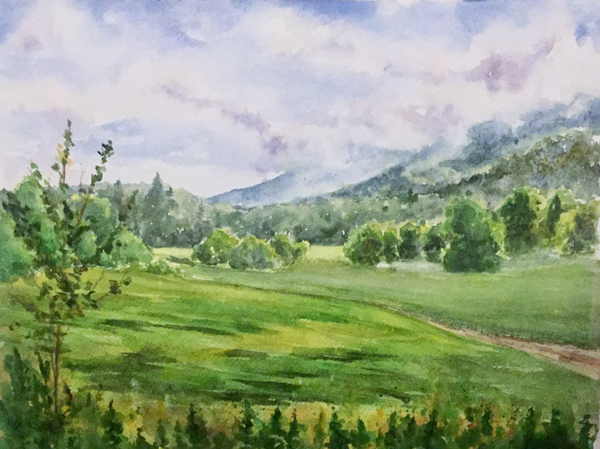
We’re vacationing this week in southwestern Michigan along the great lake. I had big dreams of spending the week painting the water and the weather which never fail to inspire.
Thing2, however, was also inspired. The absence of glowing screens combined with an abundance of immediate and extended family helped Thing2 rediscover the joy of corralling parents and grandparents into card games and rounds of Monopoly highlighted by rules he makes up as he goes along.
When we finally got down to the beach, I was happy just to soak up the surroundings. I did a few quick studies and photos of things that may become paintings later. I’m starting to think, though, that the most important part of painting the landscape may be actually experiencing it — and the rest of life — while you’re in it.

Thing2 seems to agree.

Prints can be purchased on Etsy here.

Bouquet of Blueberries

Prints can be purchased on Etsy here.

This is a bouquet of blueberries I painted for my mom who is in the hospital right now. She should’ve gone to the blueberry Festival in South Haven Michigan last weekend, but instead she went to the ER.

She’s on the mend now, but I think the scariest moment for me in our relationship was Saturday night to say she was going in for surgery. She sound worried, and she never sounds worried. I’ve watched her merrily making blueberry muffins with a waterspout making a beeline for her kitchen and ask if anyone wanted butter at the table for them, so when she was worried, I was worried.

I’m a mom, but worrying about my mom made me feel like I was five again. So, when the person who taught me everything I know about mothering and unconditional love got sick, I did what I would’ve done when I was five. I made her something.

We will be together in a few days, and I’ll give her as big hug as possible. For now, it really is the positive thought that counts.

Saturation Point

Saturation Pointweb


Newsfeeds filled with atrocities committed by Americans against Americans as well as with the specter of Nazi banners and slogans taking center stage at the home of one of America’s top universities this weekend made it easy for anger and worry to reach their saturation points.


Anger is counterproductive. I believe it is important to bear witness, but I also believe anger and worry are toxic.  They change no minds.   They don’t get to the root of the hate.


For me, the only thing that deflates the anxiety is paint on a blank where I can meditate on the things that do drive out hate — education, kindness,hope and the faith that we can and will be better.  


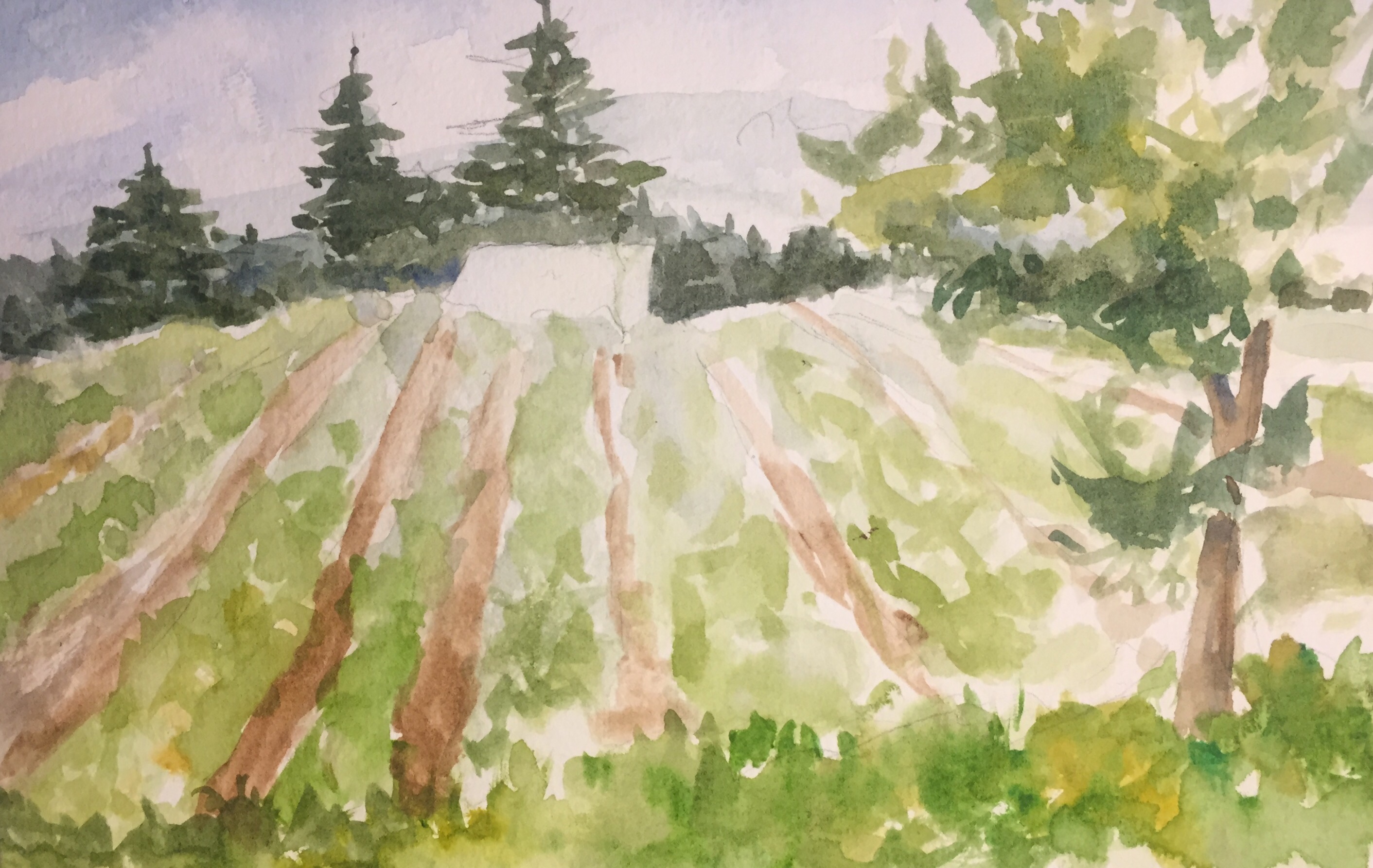
Saturday and Sunday as I painted a familiar field in Arlington, I ruminated on the things that have made Vermont — and, by extension, this country  — great for me. Generosity, seeing neighbors helping neighbors and finding joy in their successes have been the hallmarks of our life here. The memory of collective kindness doesn’t just soothe the soul, it inspires it to pay the civility and love forward.


These ruminations always bring me back to the words of Martin Luther King:

“Returning hate for hate multiplies hate, adding deeper darkness to a night already devoid of stars. Darkness cannot drive out darkness; only light can do that. Hate cannot drive out hate; only love can do that. Hate multiplies hate, violence multiplies violence, and toughness multiplies toughness in a descending spiral of destruction.”

Hate cannot drive out hate; only love can do that.” 


Ironically, in the week of a weekend filled with hate and murder, it seems more vital than ever to remember those words and think about how best to realise them.