New Frontiers

In 2002 just after we moved into our Vermont farmhouse, PBS a groundbreaking show called Frontier House, a “reality show” that challenged three modern families to try to recreate and survive an 1880s homestead life in Montana. The Big Guy and I had were kickstarting our own homestead, and I saw our family of two-plus-toddler as unofficial entrants in the game. On the surface, we were all asking if we were capable of creating functioning, self-sufficient homesteads. But the bigger question, then and now, was and is what is a functioning home?

The families in the original version got a crash course in frontier survival skills, and for the first episodes they struggled with building their shelters and starting their gardens while preparing for winter (a never-ending job in Vermont). Our team patted itself on the back over our firewood supply and the stocked deep freeze and barn-board pantry. I even made a quilt. Over the years, we’d watch reruns comparing our egg production with theirs, even thinking briefly of trying to produce our own milk.

As Thing1 got older and Thing 2 came along, however, the garden got smaller, and the flock was not replenished.

These days our team often races in four different directions, often at the same time. Now, like most Americans, our family has been stuck in neutral with our navigation systems locked up. Thing2’s middle school is online. Thing1’s college is also delivering all of the homework but none of the pesky “college” experience online for the remainder of the semester. The Big Guy, recently retired and managing family errands, is in neutral, trying to plan the next phase of his life. 

The family has been doing Zero-K walks around the house this week. It’s been therapeutic, but we clearly needed something more. 

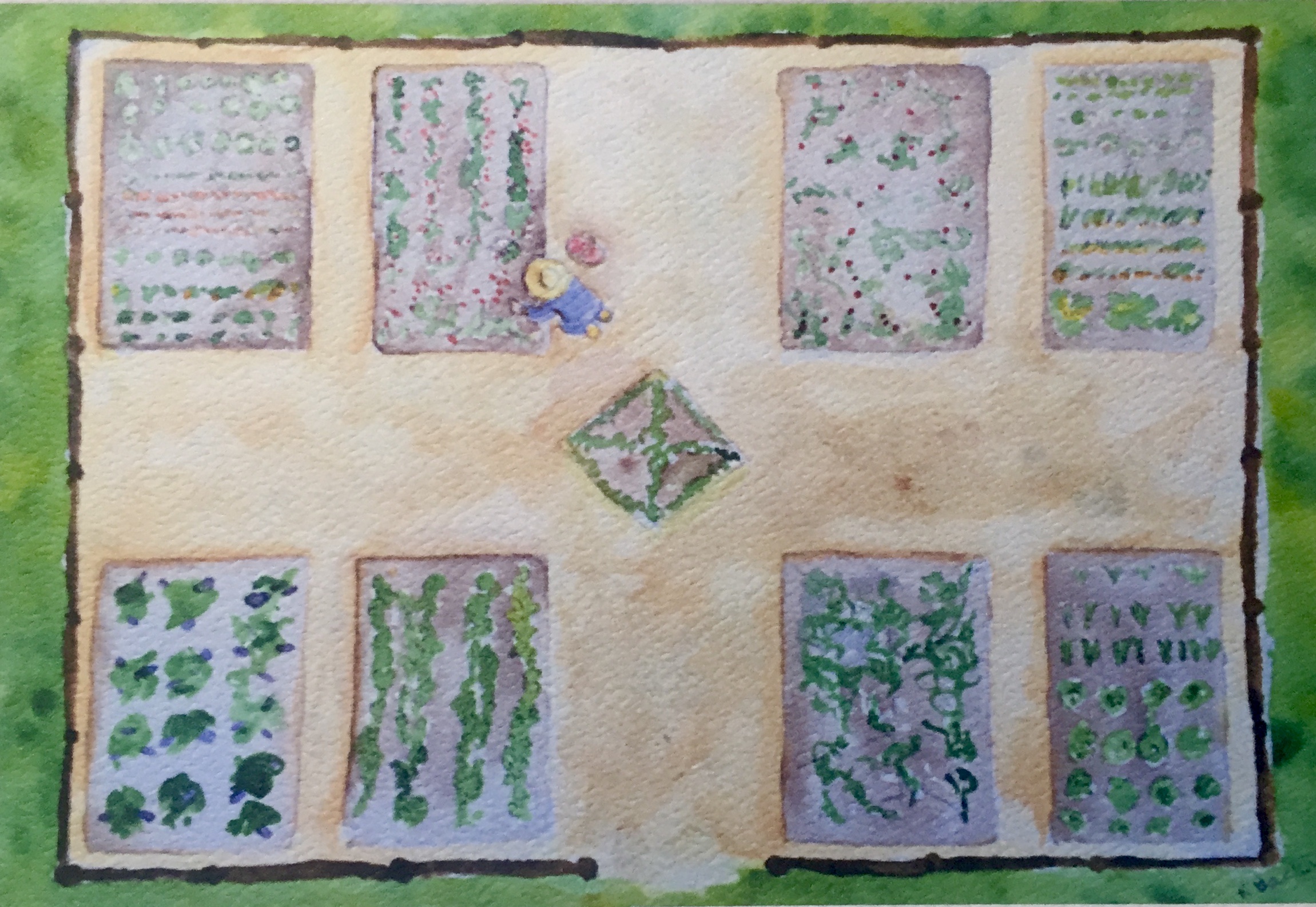
Friday Thing1 and I started outdoor time early, heading to the overgrown garden. Clearing the 40’ x 40’ plot seemed daunting, but with no excuses and nothing else on our social calendars, we dug in. The Big Guy soon joined us, cutting away raspberry vines that had invaded the space. Thing2 came out to help after an online birthday party for a friend. 
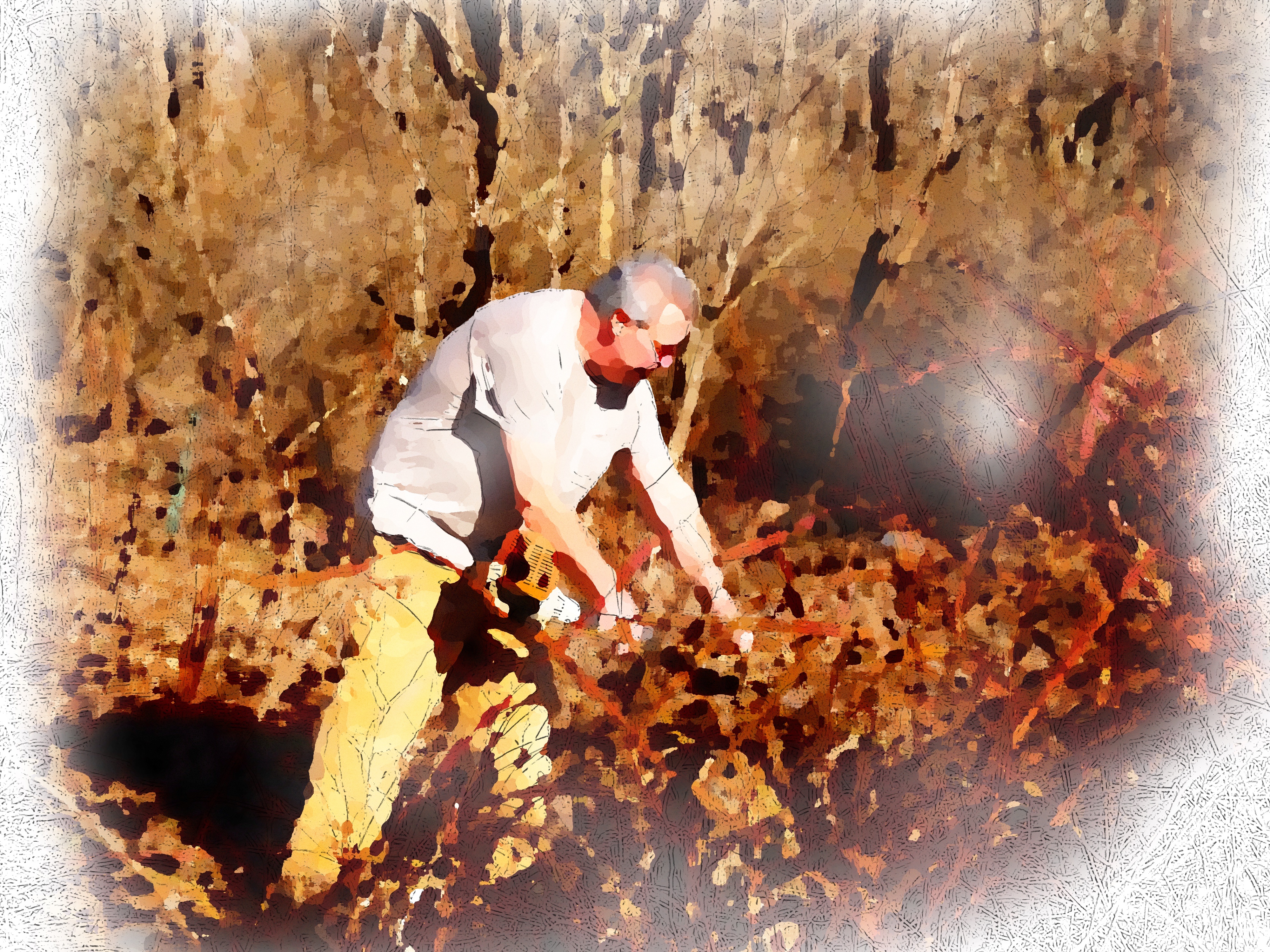
As the afternoon light turned gold, we talked about rebooting the veggie gardens. We talked about chicks on order at the feed store and restarting a favorite family tradition.

The Big Guy and I eventually stepped back to watch the boys strategize next steps. We all agreed our sweat equity had earned us burgers and any fries we had in the deep freeze — something simple but satisfying. 

As we sunk into our first bites, each of us remarked what a great day it had been. Those few hours clearing and cutting, excavating and sweating and planning had got each of us at least a little bit unstuck. 

The boys will still study at home, missing friends and independence. The Big Guy is still in a holding pattern. But, as we reboot our home version of Frontier House, we’re creating new frontiers not just for our homestead but for our group therapy sessions. 

The first time around homesteading was all about the skills. It was about what we could produce. This time around it’s still about productivity, but I’m finding out it’s also very much about connection.

Working together won’t change the course of events beyond the end of our driveway, but it will keep us working on things we can control instead of worrying about things we can’t. 

Wasting Not

When I was a kid, my parents moved to Peru for a couple years. My father researched infant nutrition and worked with a clinic there that served malnourished children. There was a glut under-nourished children there, and, while my parents were never wasteful before, experience left our family, especially my father, with a strong aversion to wasting even the smallest amount of food. I’ve been thinking about that experience a lot this week each time I survey my larder.

Ever since hurricane Irene, I’ve made it a point to have cabinets full of shelf stable food just in case. The canned goods and even the stuff in our freezers rarely goes unused, but just because it finds its way into a recipe, doesn’t mean that it doesn’t get wasted. I’m not proud to say that every few months a refrigerator clean out yields fur-covered meat or green spaghetti and meatballs that end up being tossed, and I can imagine my dad’s disappointed face every single time.

When the big guy and I were first married, we didn’t have enough money to throw away food. We’d buy a whole chicken for Sunday night near Boston’s famous Haymarket and have a traditional dinner with stuffing, veggies and potatoes. Monday night we’d make a peasant soup from the leftovers, stretching it out through much of the week.

Back then thrift was more about the benefit to our budget and less about being mindful of our blessings. These days, when I see whole chickens on sale, nostalgia prods me to buy one or two for the deep freeze for a future family Sunday dinner.

Sunday a last blast of winter was on the way, and I decided to dig a chicken out of the freezer for a comfort food meal. The boys tend to make short work of roast chicken, but, in recent years, I’ve gotten away from extracting every last meal from those leftovers.

As social isolation becomes more of a way of life, the Big Guy and I have both become more determined to not throw away food. Sunday as I thought about the blessing of simply having the chicken on hand, then of my dad, and then of the need to ration our larder for the short term, I filled up stock pot to make a peasant stew from whatever would be left.

When dinner was over, I was happy to see enough meat on the bird to make a good soup base. As good as it felt to make that one bird last through several dinners, however, chopping onions for my stew on Monday became an unexpected gift.

I sautéed the onions and celery, thinking how much this reminded me of the first year or two of our marriage. The smell of the spices in that plain old chicken-noodle soup transported me back to our tiny, cozy basement apartment in the city and to the start of a family tradition that started before we even thought about having a family.

It was as if being mindful of the things we have and the importance of not wasting them made it easier to be mindful of the moments in life that have brought and will continue to bring true joy and, ultimately, strength.

Sanity Security

As a recovering nomad, I can’t claim to be a “real Vermonter“ or a real native of any place, but Vermont has been my home for longer than any other place. For the most part, it’s been a pleasant adaptation, especially when it comes to putting up.

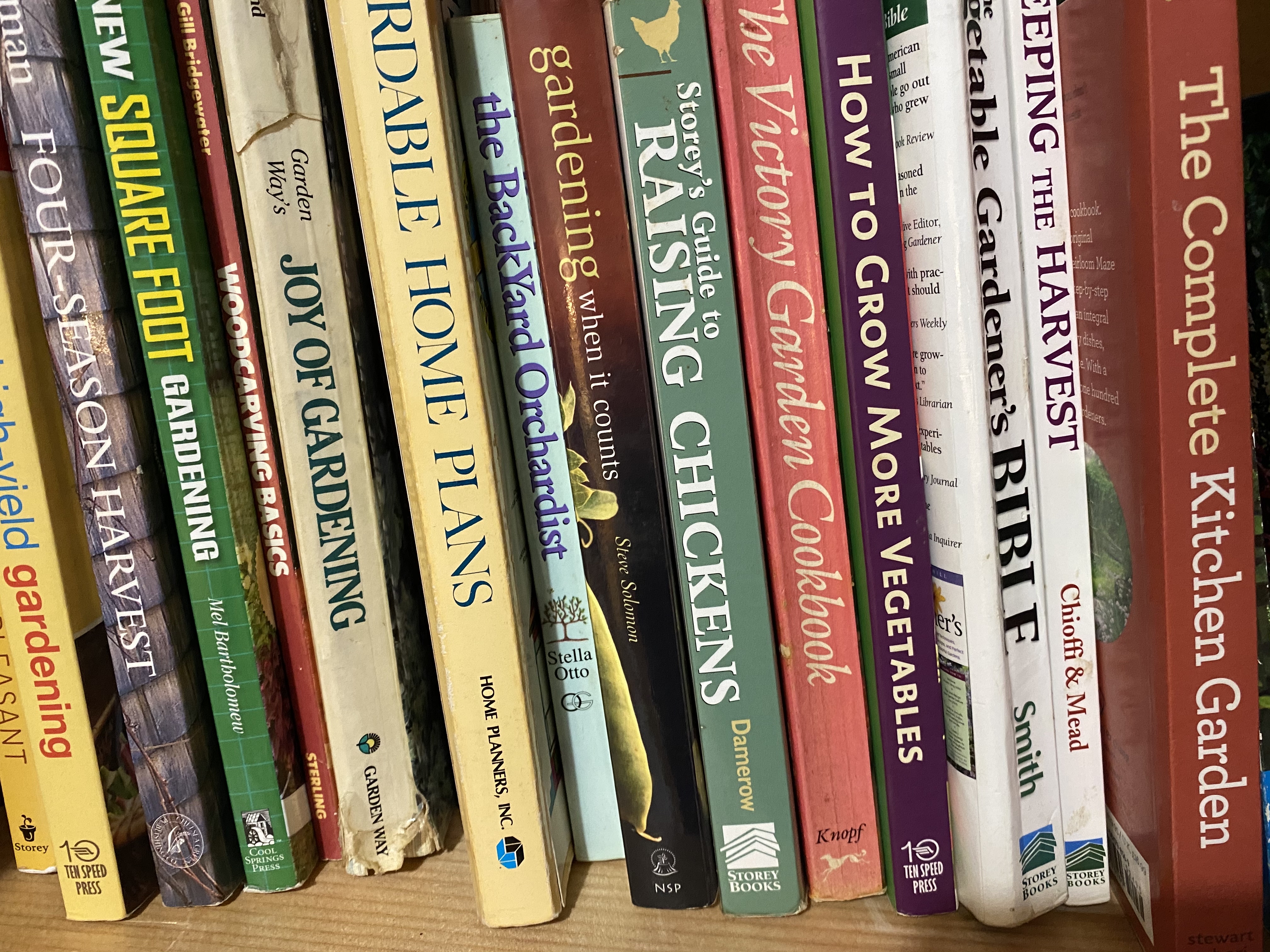
Our first summer in our first Vermont house – a 200-year-old tinderbox of a farmhouse — I laid out a 25’ x 25‘ garden. I had a vague idea of what I was going to grow. By August most of the overgrown beds had produced enough freezable casseroles and jars of beans and pickles to get me permanently hooked on gardening. At the time it made a nice dent in our grocery bill. It was also a point of pride to be able to serve homegrown veggies at thanksgivings and Christmases.

Over the years, the content in the garden bed has evolved as has the need for the garden. Paychecks have grown a little and stabilized, and we are not as dependent on our plot.But that patch of dirt gives something every bit as valuable as food.

Every spring I trot out to the garden, still doughy and out of breath from over-indulging in comfort food, too much time by the fire, and not enough at the gym or in the woods. The first hours of digging and moving winter debris produce more sweat than six weeks at the health club. Clearing the plot down to rich, black, promising dirt, however also offers more satisfaction than stepping on a scale and seeing the needle go down.

Mother Nature may upend some harvest plans, but even the worst summer weather has allowed my labors to yield enough fruit and veggies for a few decent meals. In the spring, that knowledge and those imperfectly laid beds, waiting for seeds and veggies starts, offer the peace of mind that comes from knowing I got this.

The last few years, life, in the form of injuries and illnesses and a child moving on, have taken attention away from the 40‘ x 40‘ plot on the east side of our house. Being housebound with 6’3” Thing1 and his monstrous appetite for the last few weeks, however, has highlighted the wisdom of digging back in as soon as the snow melts (Vermont, snow into April). But, as I get ready to go back to work next week (our school is a health care facility and operates in spite of the shut downs), I realize that getting my kitchen garden ready will also be my daily act of hope at home.

It will be the reminder that I — that we — got this.

What are you planning for your garden this spring ?

Gallery Management

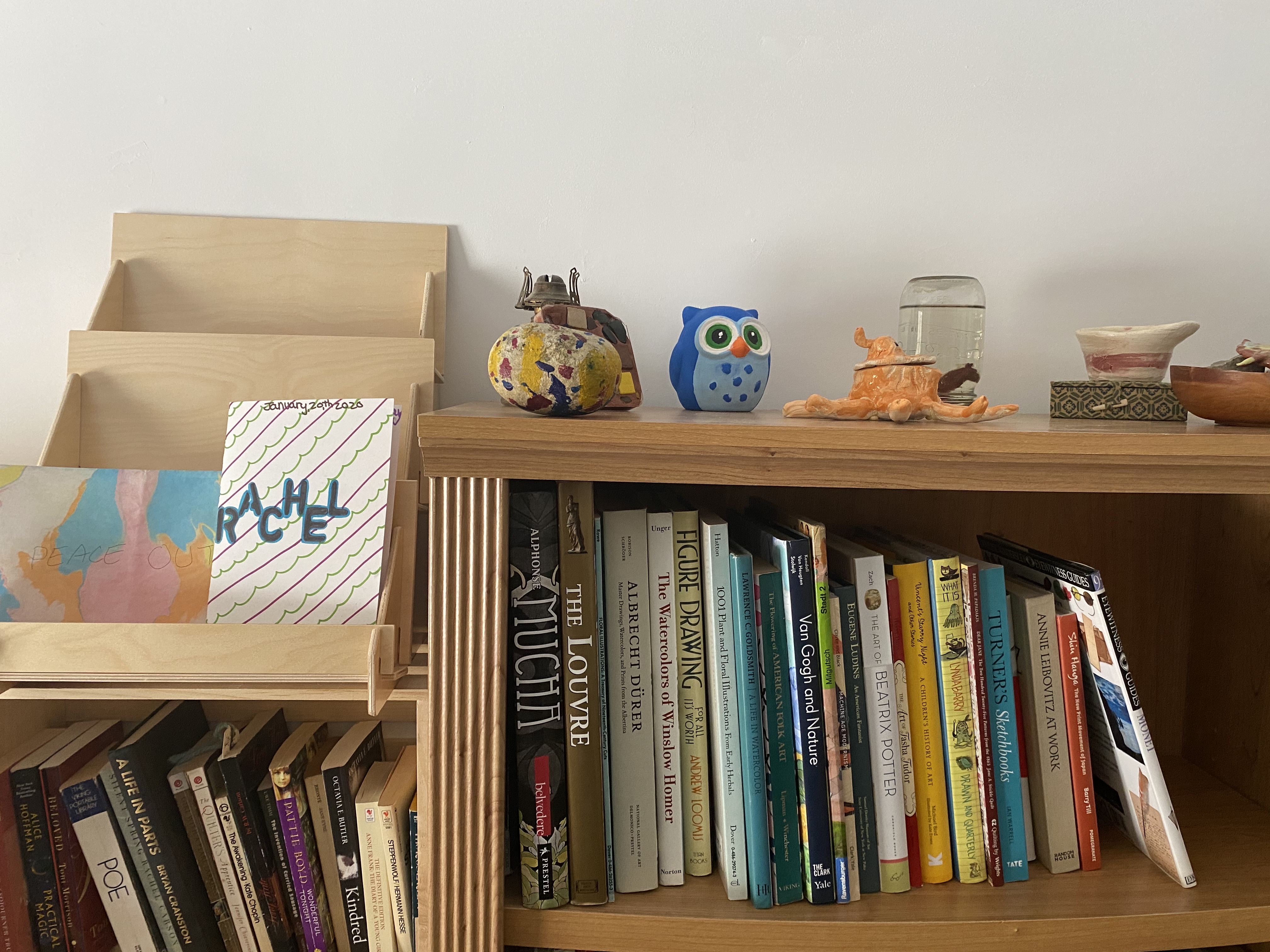
I’ve been pretty faithful about protecting and curating the figurines my kids have made over the years. I keep them on the shelf least likely to be jumped on by the cats.

In my new office I’ve added another shelf — the one I use to display greeting cards at art fairs. Right now it’s holding a different kind of greeting card, the kind you only get when a student says goodbye and lets you know, in the most colorful way possible, that your job mattered to someone.

Gallery 1 hasn’t changed much since Thing2 finished elementary school. Thing1’s recent creations all involve blocks of code that, while they bring plenty of tears to my eyes, are a little tougher to display. I curate it with the same zeal that the directors of the Louvre have for protecting the Mona Lisa.

The second gallery is evolving. Pieces in my classroom are already waiting to join it in June. It’s a different, evolving gallery, but it’s just as precious in its own way.

Reckonings

For a minute and a half when I wake up in the morning, my chest feels normal and I can almost take a normal breath. The minute I sit up and try to take in anything resembling a deep breath, however, sharp pains in my chest cut it short, reminding me that plenty of gunk is still lodged firmly in my lungs. I’ve walked this path a few times before – – for some reason, despite having never smoked, my lungs are prone to pneumonia—but Friday was the first time I ever felt unnerved by the landscape.

Friday morning was spent mostly resting as any physical exertion left me wiped out and gulping at the air. I rested on the couch until it was time for a family walk around the house and, after our daily ZeroK, was wiped out for the rest of the afternoon. By the late afternoon, it was increasingly harder to breathe in, and I considered calling the doctor to see if there was anything I do should do in the face of worsening symptoms.

But I didn’t call him.

I took my pills and drank my tea and remembered my research of this illness. Dr. Google and actual doctors had told me that worsening symptoms might indicate a need for hospitalization, oxygen, or IV antibiotics.

Any other week, I would’ve called him, but this is not any other week.

This week I know that, nationwide, hospitals are struggling to find beds and masks and things to help people with a much more serious illness breathe. This week I know that calling for help might make me one more drain on a system that’s already overtaxed at the beginning of what appears will be a challenging spring. I don’t want to be in the healthcare system, but, even more I don’t want to be one more stressor on it.

So now it’s Saturday morning, and I’m still gulping as I write or talk, still trying to decide if I should call or wait until my next appointment on Monday to let the medication have more time to work.

Most of the time when I’m sick, I won’t call the doctor. I’m a doctor’s kid and grew up hearing admonitions to not worry about most aches and pains or even fevers. I know, however, that pneumonia can become quite serious, even in 2020.

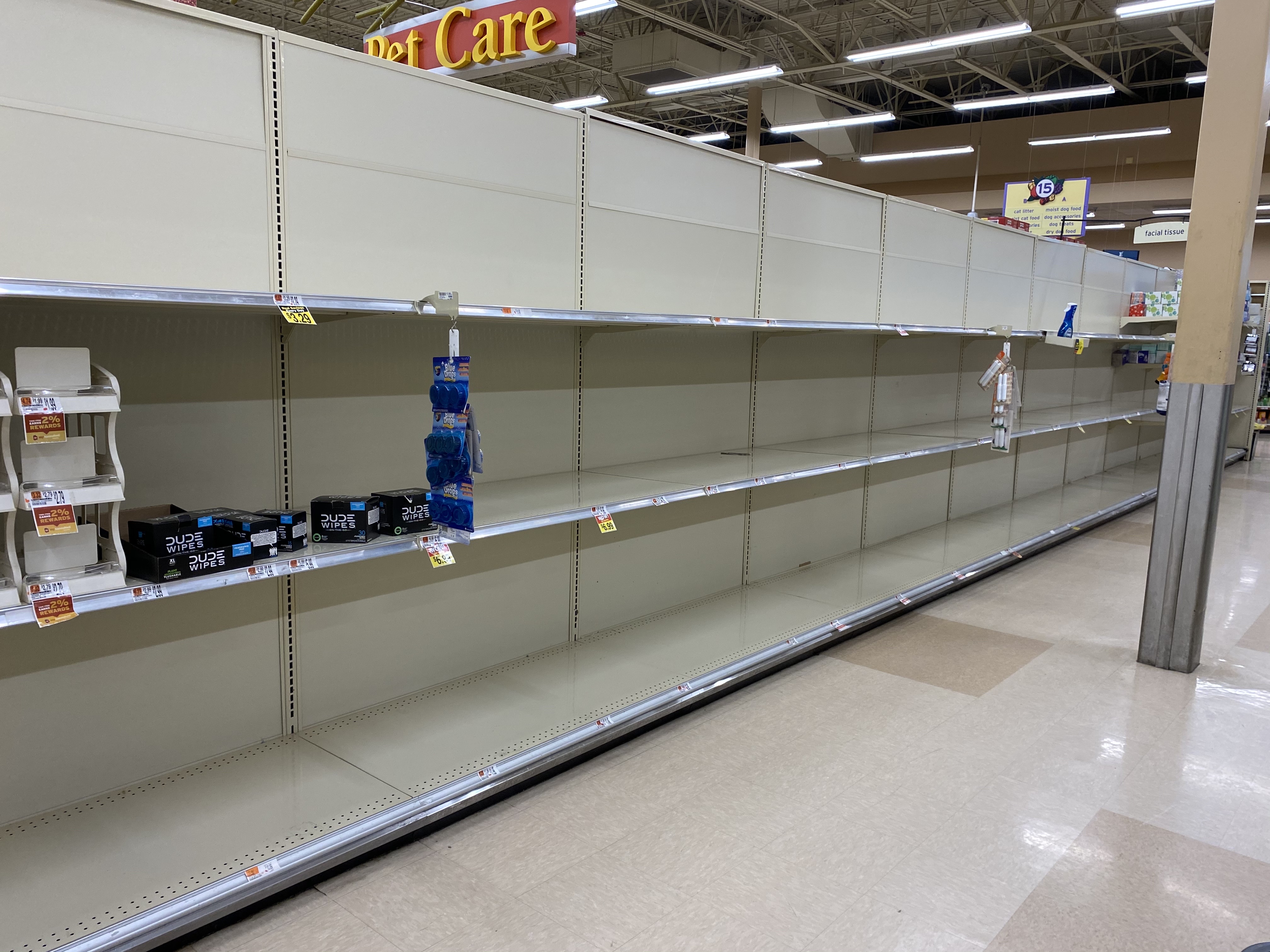
What’s also serious, is the reckoning that the entire country is having with managing scarcity in an emergency and with our healthcare system. No one who has been in a grocery store in the last two weeks can have avoided the sight of empty shelves, sometimes rows of them. Panic has spurred some people to buy more toilet paper and pasta than could be consumed in a lifetime, leaving others to search for substitutes or simply go without.

Over the last few weeks, I’ve seen a number of people pointing out that a pandemic highlights the need for a strong system that is more equitable and accessible. Having lived in Germany and experienced their robust public healthcare system, I tend to agree. This week, however, I’m also reckoning with the role individual choices may have in making our current system in Bennington, Vermont less accessible to others simply by using increasingly scarce resources.

I don’t know that this is a bad conversation to have.

For years I have worked at a company with excellent health insurance and, especially where the kids were concerned, had no reservations about calling and getting that appointment or heading to the emergency room or urgent care. This week is not just about what we can afford for our family. It, like the choice to buy all the boxes of pasta or a just one or two for our family, is about what my choice may take from someone else. It’s about making sure that making that call is truly necessary.

For now, for better or worse, it’s keeping me from picking up phone.