Wasting Not

When I was a kid, my parents moved to Peru for a couple years. My father researched infant nutrition and worked with a clinic there that served malnourished children. There was a glut under-nourished children there, and, while my parents were never wasteful before, experience left our family, especially my father, with a strong aversion to wasting even the smallest amount of food. I’ve been thinking about that experience a lot this week each time I survey my larder.

Ever since hurricane Irene, I’ve made it a point to have cabinets full of shelf stable food just in case. The canned goods and even the stuff in our freezers rarely goes unused, but just because it finds its way into a recipe, doesn’t mean that it doesn’t get wasted. I’m not proud to say that every few months a refrigerator clean out yields fur-covered meat or green spaghetti and meatballs that end up being tossed, and I can imagine my dad’s disappointed face every single time.

When the big guy and I were first married, we didn’t have enough money to throw away food. We’d buy a whole chicken for Sunday night near Boston’s famous Haymarket and have a traditional dinner with stuffing, veggies and potatoes. Monday night we’d make a peasant soup from the leftovers, stretching it out through much of the week.

Back then thrift was more about the benefit to our budget and less about being mindful of our blessings. These days, when I see whole chickens on sale, nostalgia prods me to buy one or two for the deep freeze for a future family Sunday dinner.

Sunday a last blast of winter was on the way, and I decided to dig a chicken out of the freezer for a comfort food meal. The boys tend to make short work of roast chicken, but, in recent years, I’ve gotten away from extracting every last meal from those leftovers.

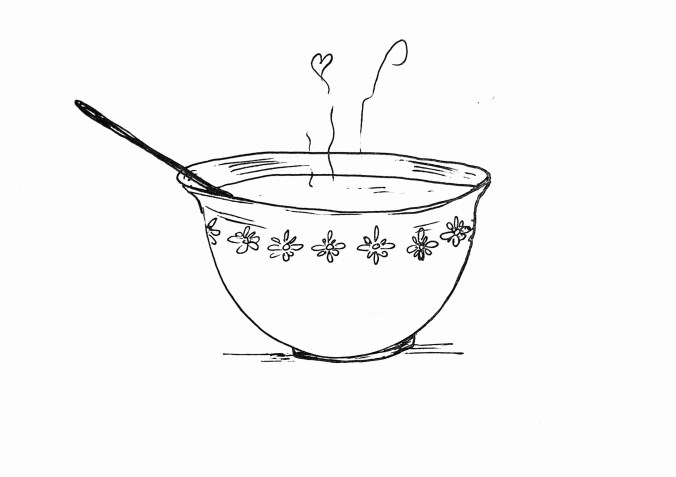
As social isolation becomes more of a way of life, the Big Guy and I have both become more determined to not throw away food. Sunday as I thought about the blessing of simply having the chicken on hand, then of my dad, and then of the need to ration our larder for the short term, I filled up stock pot to make a peasant stew from whatever would be left.

When dinner was over, I was happy to see enough meat on the bird to make a good soup base. As good as it felt to make that one bird last through several dinners, however, chopping onions for my stew on Monday became an unexpected gift.

I sautéed the onions and celery, thinking how much this reminded me of the first year or two of our marriage. The smell of the spices in that plain old chicken-noodle soup transported me back to our tiny, cozy basement apartment in the city and to the start of a family tradition that started before we even thought about having a family.

It was as if being mindful of the things we have and the importance of not wasting them made it easier to be mindful of the moments in life that have brought and will continue to bring true joy and, ultimately, strength.

Sanity Security

As a recovering nomad, I can’t claim to be a “real Vermonter“ or a real native of any place, but Vermont has been my home for longer than any other place. For the most part, it’s been a pleasant adaptation, especially when it comes to putting up.

Our first summer in our first Vermont house – a 200-year-old tinderbox of a farmhouse — I laid out a 25’ x 25‘ garden. I had a vague idea of what I was going to grow. By August most of the overgrown beds had produced enough freezable casseroles and jars of beans and pickles to get me permanently hooked on gardening. At the time it made a nice dent in our grocery bill. It was also a point of pride to be able to serve homegrown veggies at thanksgivings and Christmases.

Over the years, the content in the garden bed has evolved as has the need for the garden. Paychecks have grown a little and stabilized, and we are not as dependent on our plot.But that patch of dirt gives something every bit as valuable as food.

Every spring I trot out to the garden, still doughy and out of breath from over-indulging in comfort food, too much time by the fire, and not enough at the gym or in the woods. The first hours of digging and moving winter debris produce more sweat than six weeks at the health club. Clearing the plot down to rich, black, promising dirt, however also offers more satisfaction than stepping on a scale and seeing the needle go down.

Mother Nature may upend some harvest plans, but even the worst summer weather has allowed my labors to yield enough fruit and veggies for a few decent meals. In the spring, that knowledge and those imperfectly laid beds, waiting for seeds and veggies starts, offer the peace of mind that comes from knowing I got this.

The last few years, life, in the form of injuries and illnesses and a child moving on, have taken attention away from the 40‘ x 40‘ plot on the east side of our house. Being housebound with 6’3” Thing1 and his monstrous appetite for the last few weeks, however, has highlighted the wisdom of digging back in as soon as the snow melts (Vermont, snow into April). But, as I get ready to go back to work next week (our school is a health care facility and operates in spite of the shut downs), I realize that getting my kitchen garden ready will also be my daily act of hope at home.

It will be the reminder that I — that we — got this.

What are you planning for your garden this spring ?

Selfless self-care

One of the things I’m loving about teaching is that it takes every fiber of your being to do it well. It takes your creativity, your intellect, and your physical input. There’s no way to half-ass it and have any worthwhile outcome. One of the things I love about the place where I teach came as a bit of a surprise to me. During our orientation, the different presenters emphasized the importance of self-care for teachers and caregivers at our school.

All of the students at our residential come to us because of an emotional disturbance due to some sort of complex trauma.. Being affective with the students means being present, and, often, it means hearing stories that, when you get home, bring you to tears. it means having kids yell at you as they vent their frustrations with life and remembering not to take it personally. It means thinking about the people who have done these kids harm and trying not to become hard because becoming hard means you can’t be there for those kids.

I haven’t gone to an hour of the school organized group self-care sessions, but, about a month ago, not knowing why exactly except to save money on health insurance, I decided to start going to a gym. I hit the big 5O back in April and knew that keeping bone density up means doing some resistance training, but the desire to work out was something else. It wasn’t until this weekend that I realized what it was.

I’d behave myself all week, hitting the gym for each of my routines every single day before going home. Sometimes that means getting home a bit late, especially on the days when we have professional development after classes. It also means feeling a little guilty that, in focusing on self care each day, I’m not doing right by one of the two kids who is the most important in my life. I get home feeling more relaxed, but I’m spending less time with him to do so.

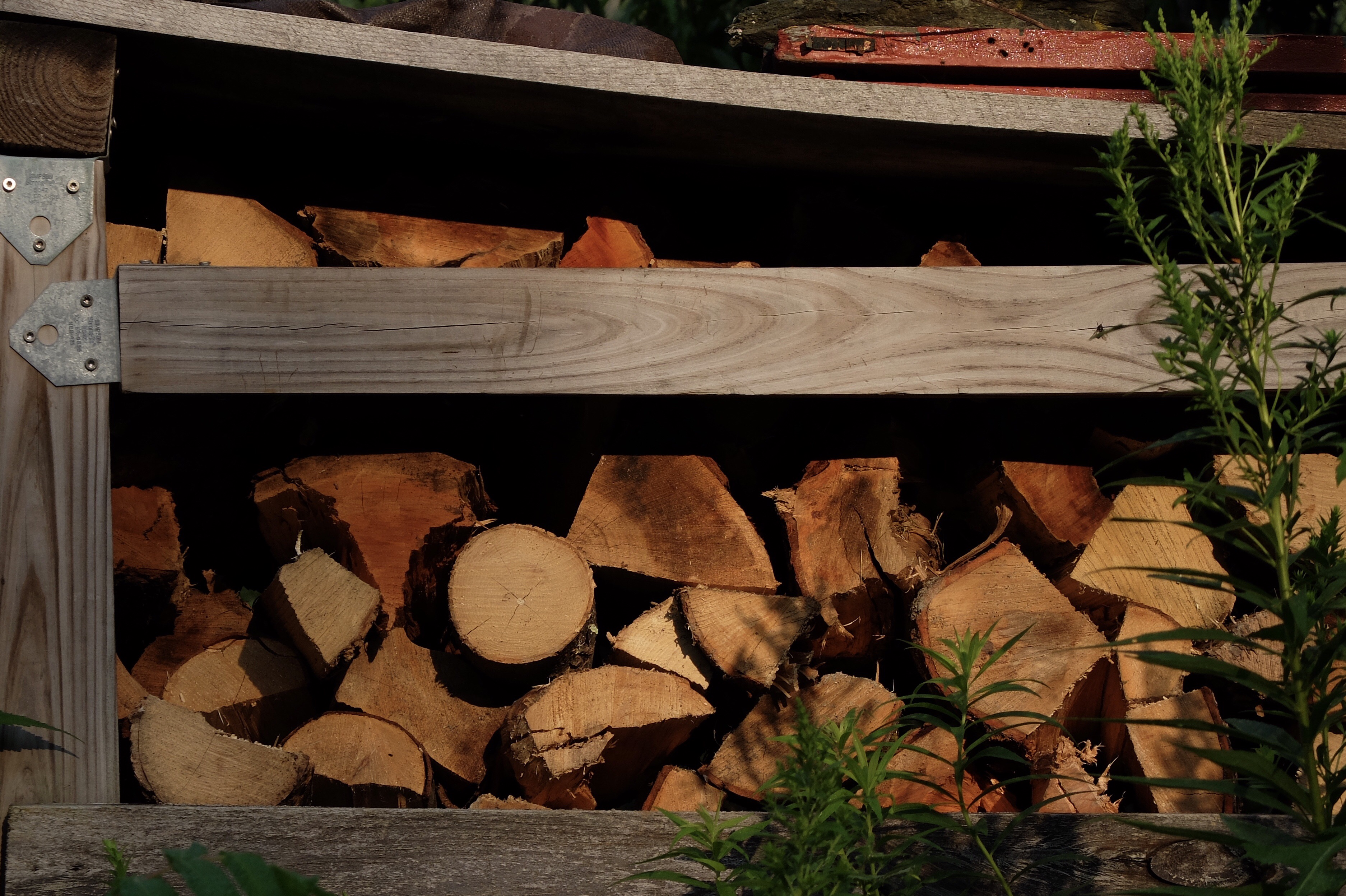
This weekend my husband, Thing2 and I have been stacking wood. we have a pretty good system of me carrying logs from the wood pile to a wheelbarrow where Thing2 hands them off to the Big Guy for stacking the way he likes. Ferrying logs, two and four at a time, is it pretty good workout. normally I’d be pretty tired and ready to quit after 15 or 20 minutes. Yesterday and today, however, I was able to keep it going until the boys are ready to quit, and I was happy not just for being able to keep up but because it was another hour each day that the three of us had to talk and joke and sing along to the Beatles albums that were playing as we stacked.

When we finished up for the day a little while ago, we looked at the work we’ve done and then at each other and said to each other, “We done good.“

and I realized that self-care isn’t just about being able to help the kids at school every day, it’s about making sure that when I’m home with my kid, I am really present.

Fall Colors

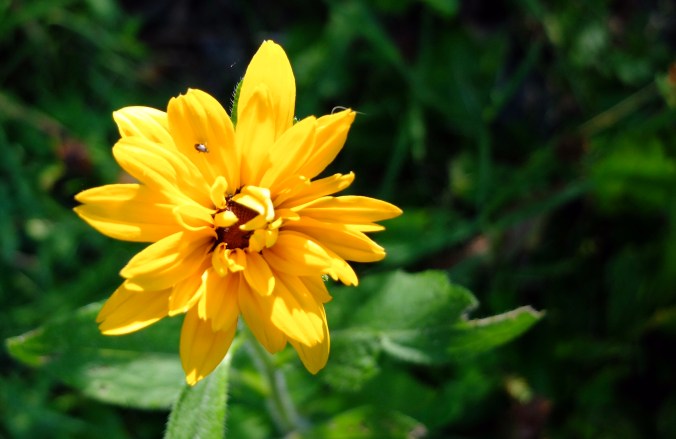
Ironically, the first pile of firewood in the driveway is still a sign spring is still springing. The day-lilies still so brilliantly blooming announce and celebrate summer, but for me, the Black-eyed Susans are the first color of fall.

They open just after the middle of summer and the orangey yellow is a reminder to stop complaining about the heat, but take the time to enjoy it because it won’t last.

For Pulpy Mountain Majesties

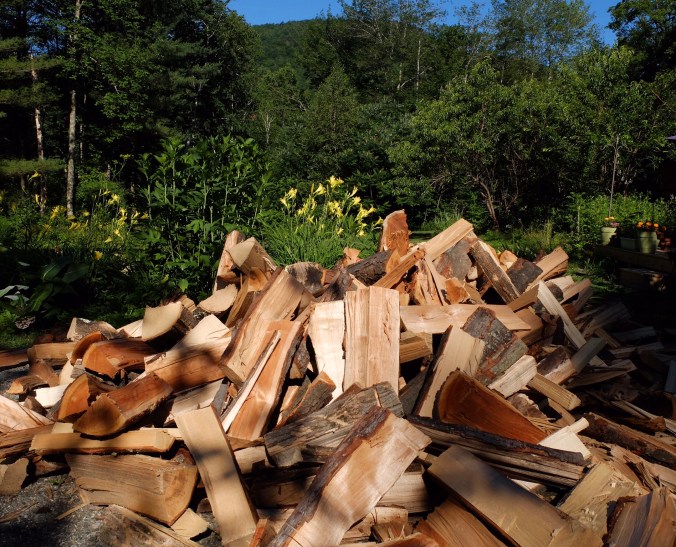
The first wave of firewood arrived shortly before the heatwave. Conquering Mt. Cordwood is a family affair, and it has to happen quickly, as more is on the way.

It takes a little over 4 cords of wood to heat our earth-sheltered house. We don’t use any other heating source. Some years we cut more than others, but the Big Guy and I mind paying to have it delivered far less than we minded paying for oil in our old house. We know the woodcutters, and it’s nice to have the bulk of the money coming into the community.

Blueberries before Breakfast

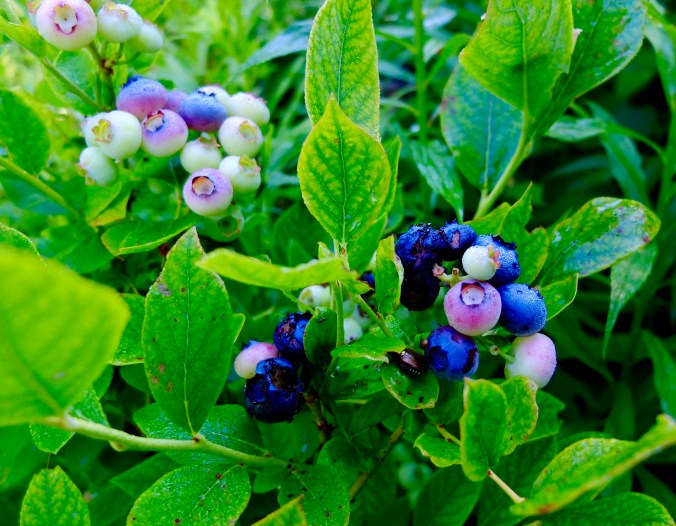
The Big Guy discovered the treasure last night and sent the boys into the weeds with a bowl to retrieve it. Official sources say we may never know how many perfect plump berries were “accidentally” eaten on their way to the bucket, but the troops were able to bring back enough treasure for dessert. We have ours over Wilcox Dairy Country Cream ice cream. It’s local, so between the blueberries and the old-timey flavor, I’m pretty sure it’s approved on some diet plan.

Color it Clean… or maybe just Sane

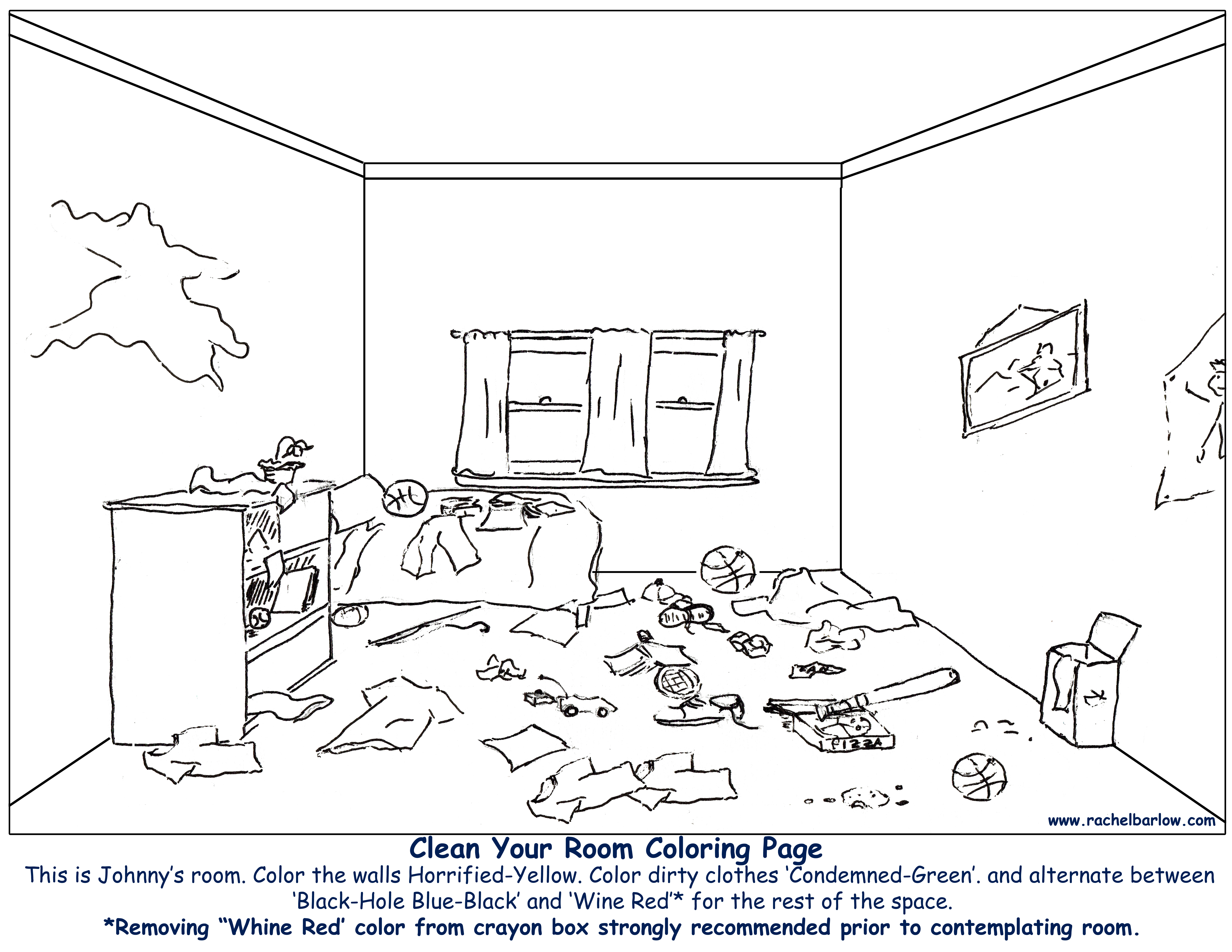
This is Johnny’s room. Color the walls Horrified-Yellow. Color dirty clothes ‘Condemned-Green’. and alternate between  ‘Black-Hole Blue-Black’ and ‘Wine Red’* for the rest of the space. *Removing “Whine Red’ color from crayon box strongly recommended prior to contemplating room.

So my post about turning brother against brother to get a room clean, generated a few comments and a bunch of emails, mostly from or about other moms recounting tales of terror inspired by room-cleaning events.  There were stories of discovering new life-forms that had evolved from 3-month-old left overs, of dirty socks that could only be moved to the washer while wearing protective gear, and more than one person admitted to blocking out their kids’ rooms from memory until they flew nest.

The disgusting kids room is the 800 pound load of laundry overflowing the mental-health hamper. So in the furtherance of parental peace and sanity, I created a coloring page in honor of anyone who’s been tempted to do a Joan Crawford on their kid’s room.

Download and Enjoy!


A Beaten Path


There are two ways to get to the top of Mount Equinox in Manchester Vermont. You can pay your money to take the Skyline drive to the summit, or you can find your way to the no-traffic light town of Sandgate and go up the back.

You can’t drive the whole way (Sandgate’s dirt road eventually turns into a wide leaf-covered path). Once on foot, you’ll eventually get to the gate of a monastery run by the Carthusian monks (who also, incidentally, govern access  to the skyline Drive). There’s a sign warning away trespassers, so we’ve never actually made it to the top of the Equinox without paying our money down, but along with that once-beaten path on the backside of the mountain, we’ve discovered something equally interesting.

When we first hiked that road, we wondered about its origins. There were easier ways to get to the monks and  the top of the Equinox, but it was clear the road had once been in use frequently enough to leave its mark on the mountain.  Shortly after the ‘real’ dirt road ended, we found our answer.

Thing1 was our distractor-in-chief at the time, occasionally luring us away from the path, and about a mile and a half past the end of the town road, he discovered an abandoned barn we HAD to see.

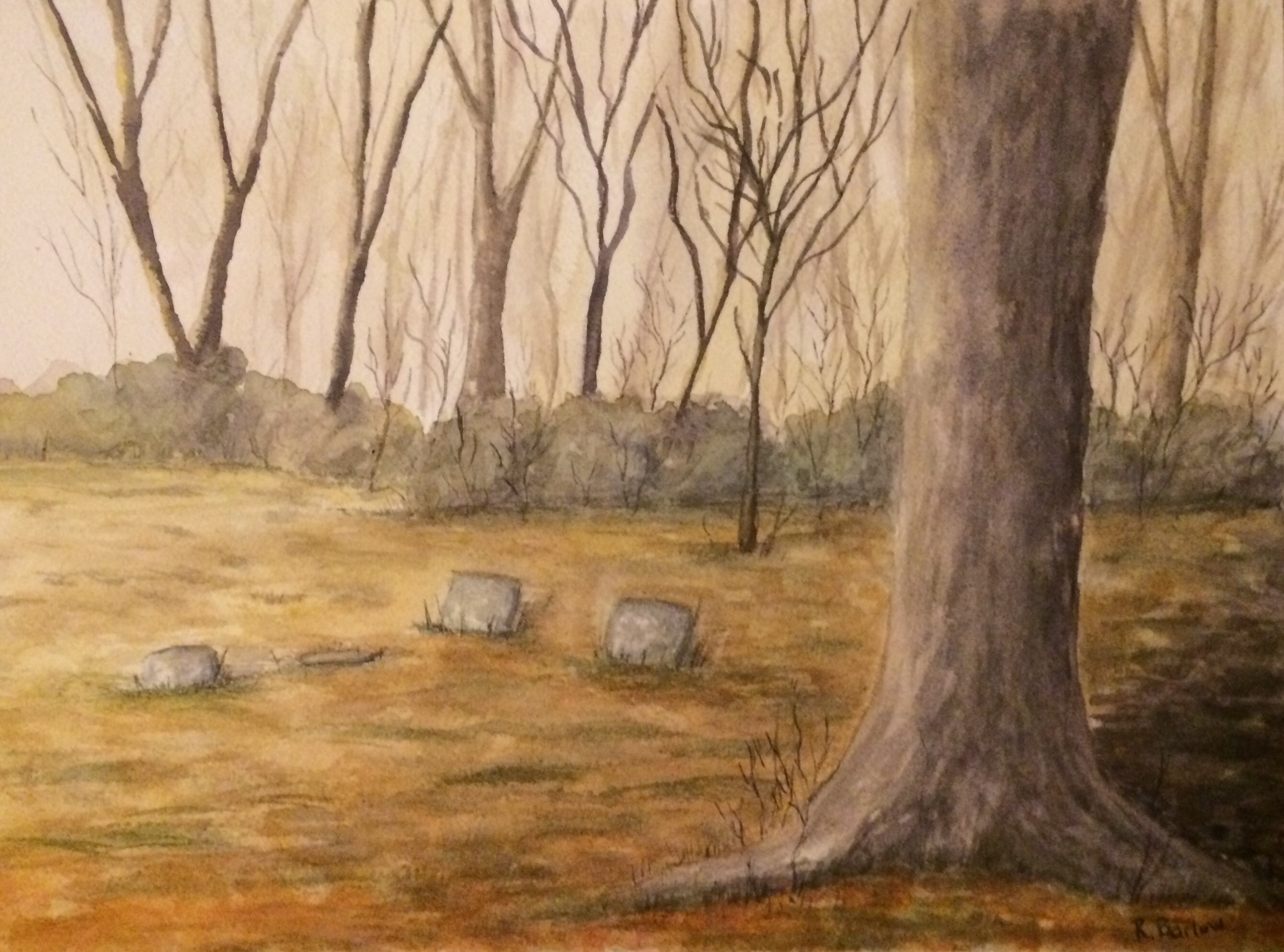
The barn roof was disintegrating, and we saw no other evidence (save for a few headstones that we almost tripped over) that a farm or homestead had ever existed. The carving on the headstones was so worn down we  couldn’t read the names on them.  As I was wondering what catastrophe that had driven surviving family members away from the farm, I realized this almost abandoned road had been made by and for hooves and feet, not rubber and steel.

At first I had thought these languishing headstones in this isolated part of the mountain were a sad statement about precarious nature of rural life (then and now).  However, as we walked to and from the monastery gate with its no trespassing sign, passing the old homestead again, the late afternoon sun dipped low enough to bathe the woods in gold. I remember the branches were naked on that hike, but the forest, guarding its little cemetery, was warm and absolutely peaceful in the sun.

Modern rural life can be very hard, and I don’t cling to any romantic notions that life on the back of a mountain in Vermont was any easier a 100 years ago, but this quiet resting place was a testament to more than just hardship. It reminded me that people still come to these hard-to-live-in places because a life away from the madding crowd brings with it freedom and (in spite of the long winters and minimal economic opportunities) peace.

Pea Picker


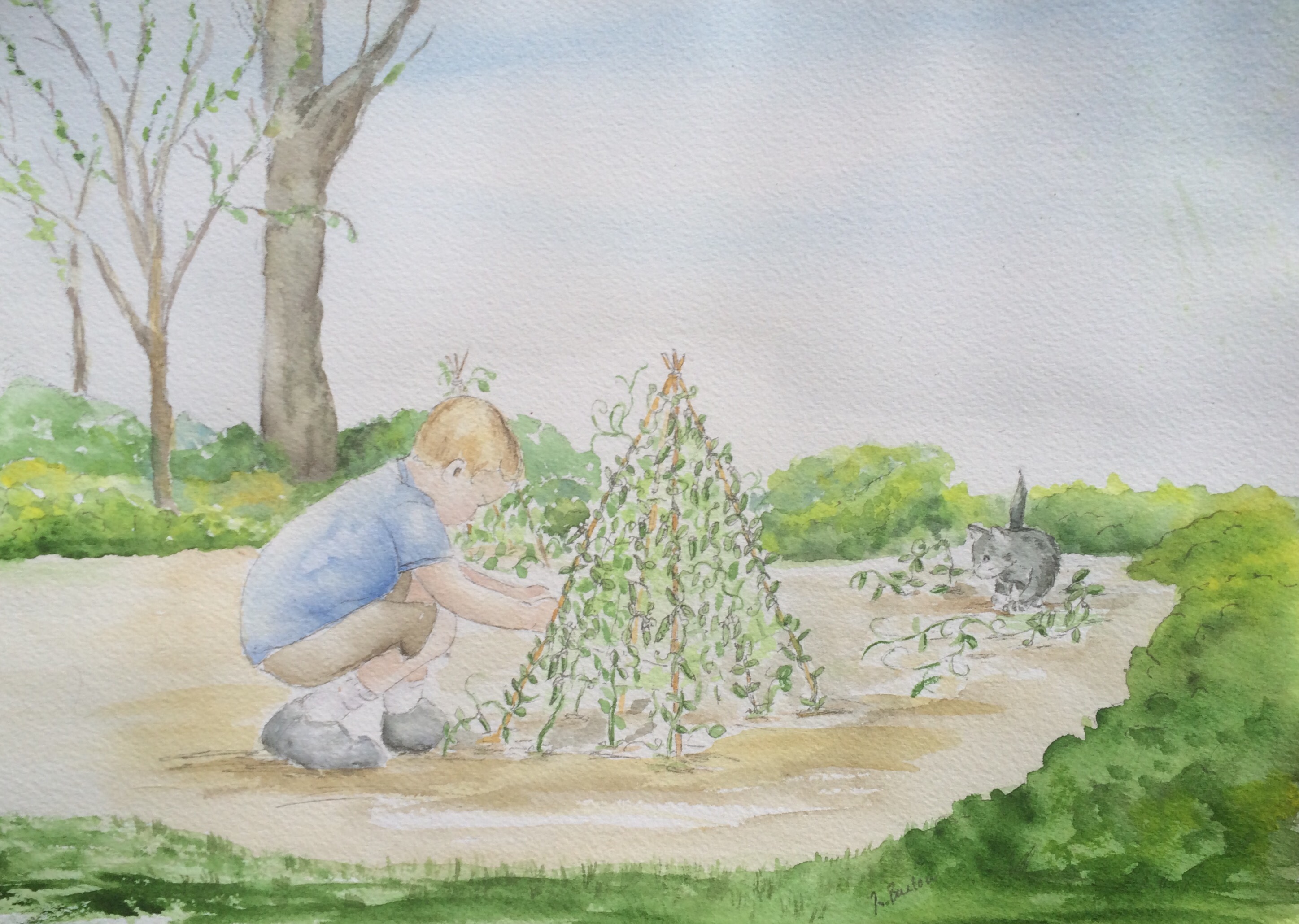
i’d like to tell you I have a veggie garden because I’m really into organic everything, but the truth is there’s nothing quite as satisfying as watching my kids fight over fresh greens.  In my defense, I have stopped telling them the peas were candy.

You can buy prints and cards of this painting here